Select the Right Roses
For years people have been trying to grow the long stem hybrid tea roses they get at the florist, but these are the very worst type of rose for the casual gardener to grow. The hybrid tea became so popular that some people can hardly recognize an old fashion type of rose as a rose. In response to the trouble they have had with hybrid teas, they have either given up on growing roses, or they have chosen the ever popular Knock Out series of roses. Knock Outs are almost bullet proof in terms of disease and toughness, but they leave much to be desired in my mind. First, they are not pretty and, second they have no fragrance. There are just so many better options than, "All or Knock Out." Knock Out did make the list Texas A&M has produced of disease and drought resistant roses which they call Earth-Kind Roses. I think this list is a great place to start when looking to be successful growing roses. I have also designated some roses I grow as Rev Recommends. These are roses that I have found to be pretty easy to grow and have something special to offer to your garden. You will find these roses at the nurseries that I have listed below and to the right under Favorite Rose Resources.
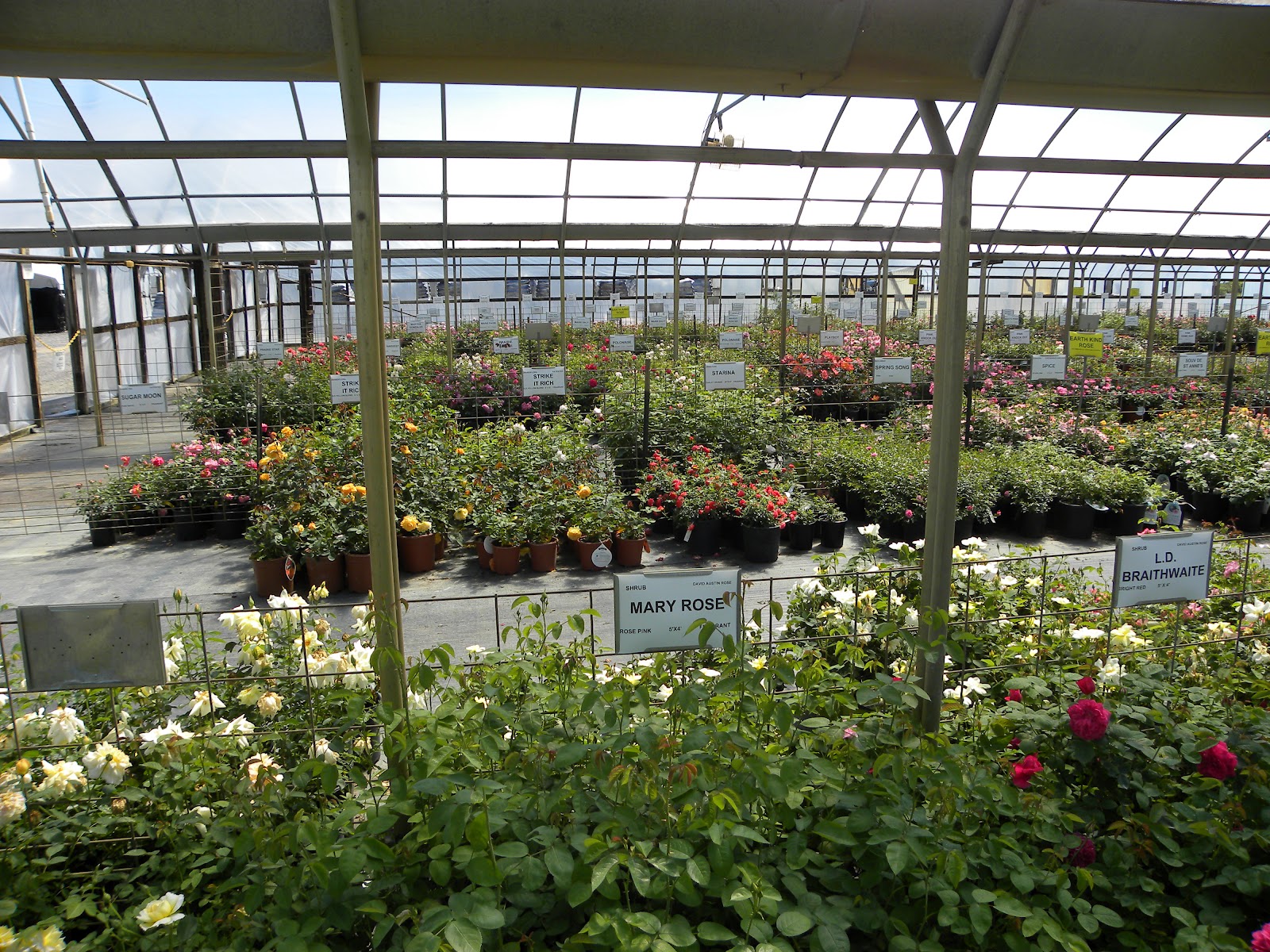
For roses that will be long lived and winter hardy you need to grow roses grown on their own roots. This (and the rule above) will rule out almost every rose you can buy at your local nursery. For ease of production the large rose growers in this country graft all their roses on to the rootstock of another variety. When planted, the rose on top blooms while the rose on bottom grows the roots for the rose on top. Then, when a cold winter kills the rose above ground, only the root stock is left, and it produces an undesirable flower. Roses grown on their own roots are roses that have been taken from a cutting and allowed to grow its own roots. These plants come smaller than their Frankenstein grafted cousins, but in a few years they will surpass the others in production. Also, when you order from the companies I have listed you can call them if you are concerned about ordering online and they will usually get you your roses in one or two weeks. That really isn't very long when you should really be out in the garden getting ready for your new rose.

One of the best pieces of advice I have followed when growing roses came from an old adage, "I would rather plant a two dollar bush in a ten dollar hole, than than a ten dollar bush in a two dollar hole." Add to that another adage, "If you feed the soil the soil will feed you." This means when you plant your roses, dig your hole until you think it is far too big and add in compost and other soil amendments to create a rich growing environment. I often add a cup alfalfa pellets and a cup of dry dog food along with the compost from my compost pile. Saturday we had a work day at the church and I was helping my wife, Angie, plants several rose at the church. Once I had dug the first hole someone said, "I thought we were having a work day, not a funeral." To me, that was the perfect compliment that I had dug a big enough hole.

Roses need sunlight to thrive. Most roses need at least six hours of full sun and most will be better with more. Consider this when selecting the location for your roses. If you are in an area that regularly gets to 100 degrees, also think about if this is morning light or afternoon light. In places like Oklahoma (where I live) it is often advantageous to allow for late afternoon shade from the most intense heat of the summer sun.

To successfully grow roses you need to make sure they have an inch of water each week. This is particularly true of the growing season but roses, like all plants, need steady water even during the winter. Rain is always better than a hose or sprinkler, but if nature does not help out you need to. A true lady in one of my early churches told me, "A rose is like a lady, she likes a stiff drink, but doesn't like to get her feet wet." Keep the soil moist but not soggy.

Most of this list involves early work before you put your roses in the garden. If you do the early prep work, you to can grow beautiful roses. If you take short cuts, don't be surprised if you continue to find it difficult to grow roses.


